POLINDE Smart Mobility

The Future of Smart Mobility is Here

Cutting-Edge Smart Mobility Solutions for Sustainable Cities!

In a world where mobility is evolving at an unprecedented pace, our company stands at the forefront of innovation, redefining transportation through smart mobility solutions. Rooted in global standards and recognized ITS architectures, we integrate cutting-edge technologies to create seamless, efficient, and sustainable mobility ecosystems.

By combining IoT for real-time data, AI for intelligent automation, and ML for predictive insights, smart mobility and ITS solutions become more efficient, safe, and sustainable. These technologies drive the future of connected, autonomous, and smart transportation systems, ultimately enhancing mobility for all stakeholders.

We bridge the gap between today’s challenges and tomorrow’s possibilities, driving a future where transportation is not just connected but truly intelligent, adaptive, and transformative. With a commitment to excellence and groundbreaking innovation, we empower cities, businesses, and individuals with solutions that are smarter, safer, and more efficient than ever before.

With over three decades of experience in transportation planning, traffic simulation, and intelligent transportation systems, we harness the power of cutting-edge technology to develop innovative mobility solutions. As the country invests in the infrastructure of the future, we deliver robust, open, scalable, and expandable smart mobility solutions, contributing to a more sustainable and efficient urban environment.

Our Solutions
iNet Logo

SMART CITIES

SMART CITIES

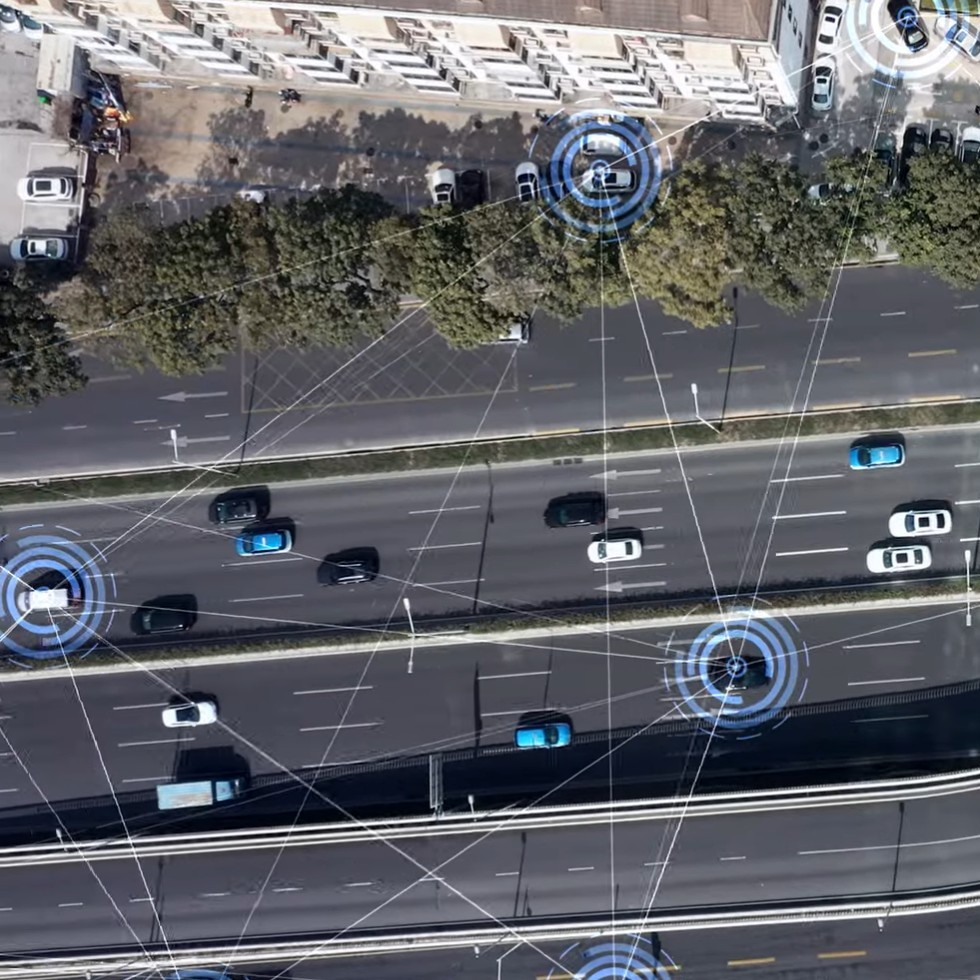
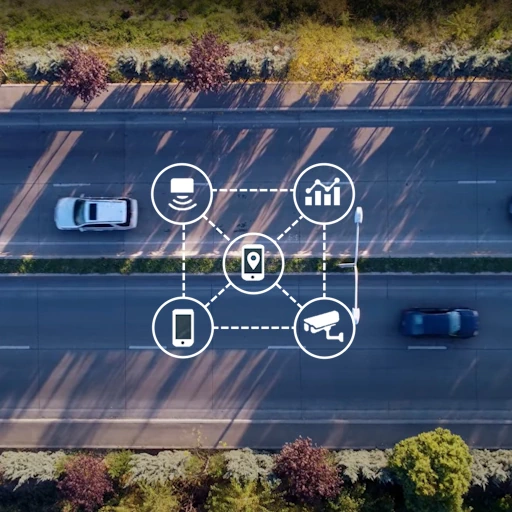
Intelligent Transportation Systems (ITS) solutions integrated with powerful systems using real-time data, connecting with IoT equipment and automating analytics processes through artificial intelligence (AI) and machine learning (ML) may be exploited.

ASSET MANAGEMENT

An asset management solution centralizes and digitizes all roadway and infrastructure information, ensuring that conditions, maintenance history, and inspection data are always up to date.
Asset Management

ASSET MANAGEMENT

ASSET MANAGEMENT

ASSET MANAGEMENT

An asset management solution centralizes and digitizes all roadway and infrastructure information, ensuring that conditions, maintenance history, and inspection data are always up to date.

TRAFFIC MANAGEMENT

TRAFFIC MANAGEMENT

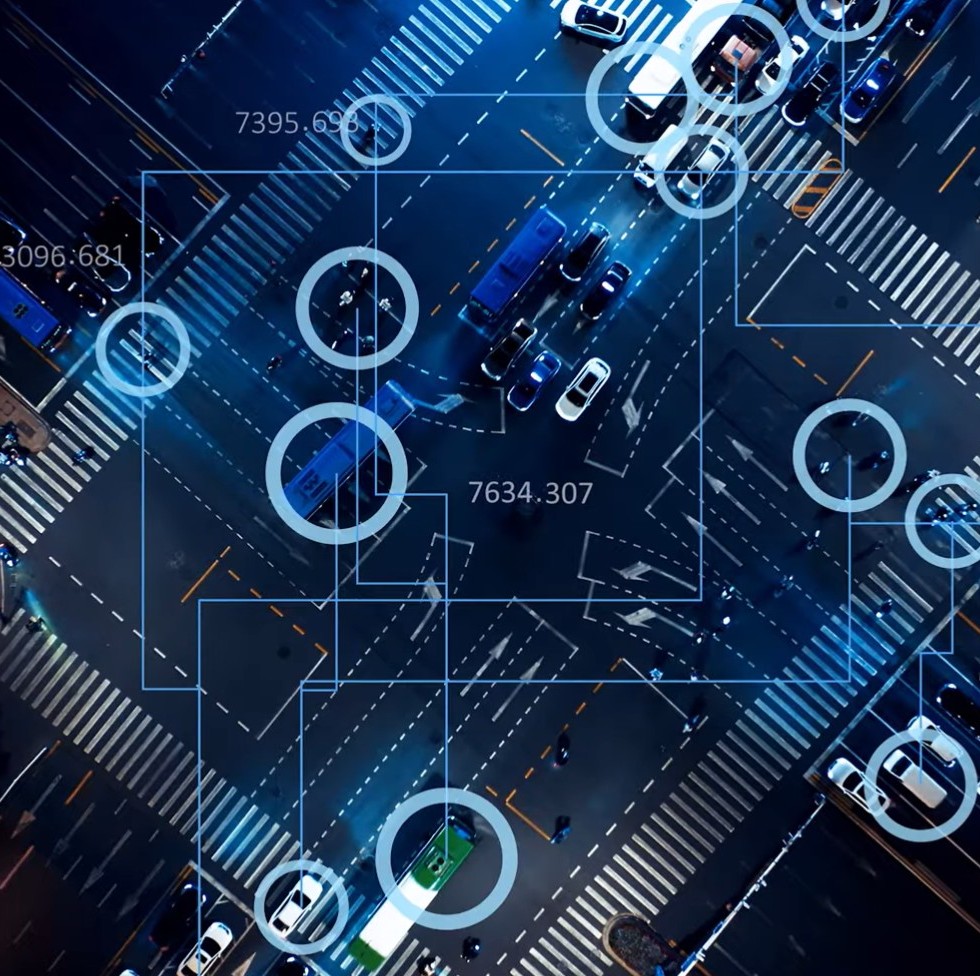
An Advanced Traffic Management System (ATMS) module provides capabilities for dynamically managing and controlling traffic demand and available capacity of transportation facilities. It may enable various TM strategies, including Variable Speed Limits, Queue End Warning (QEW), Dynamic Lane Management (DLM) and Adaptive Ramp Metering (ARM). It may monitor and control Variable Speed Limits (VSL) signs, including the calculation and deployment of VSL messages to regulate traffic flows

SMART CITIES

Traffic congestion is a major challenge for modern cities and remains a persistent issue that affects daily life and economic productivity.

Associated key challenges of traffic congestion include: Long delays for both commuters and emergency vehicles, bad quality of public transport services forcing people to rely on private vehicles, excessive fuel consumption leading to environmental pollution, lowering quality of life and subsequently of road safety due to inadequate infrastructure for pedestrians and cyclists, financial impact due to lost person-hours, fuel wastage and vehicle maintenance increased needs.

ASSET MANAGEMENT

An asset management solution centralizes and digitizes all roadway and infrastructure information, ensuring that conditions, maintenance history, and inspection data are always up to date. By using sensors, mobile inspections, and analytics, it identifies early signs of deterioration—preventing small issues from becoming costly failures. The system prioritizes maintenance based on risk, condition, and budget constraints, helping agencies allocate resources more efficiently. It also enables more frequent and consistent monitoring, reducing the likelihood of undetected hazards. Through predictive models and automated planning tools, the solution lowers operational costs, improves safety, and supports compliance with regulatory requirements.

TRAFFIC MANAGEMENT

Increasing population density and vehicle ownership lead to traffic congestion, environmental pollution, limited road capacity and delays in public transport. By constructing and upgrading road infrastructure, the chances of an incident occurrence may increase, and the activities of cyclists and pedestrians raise safety issues.